
Thinking
The problem is that we don’t know what the problem is
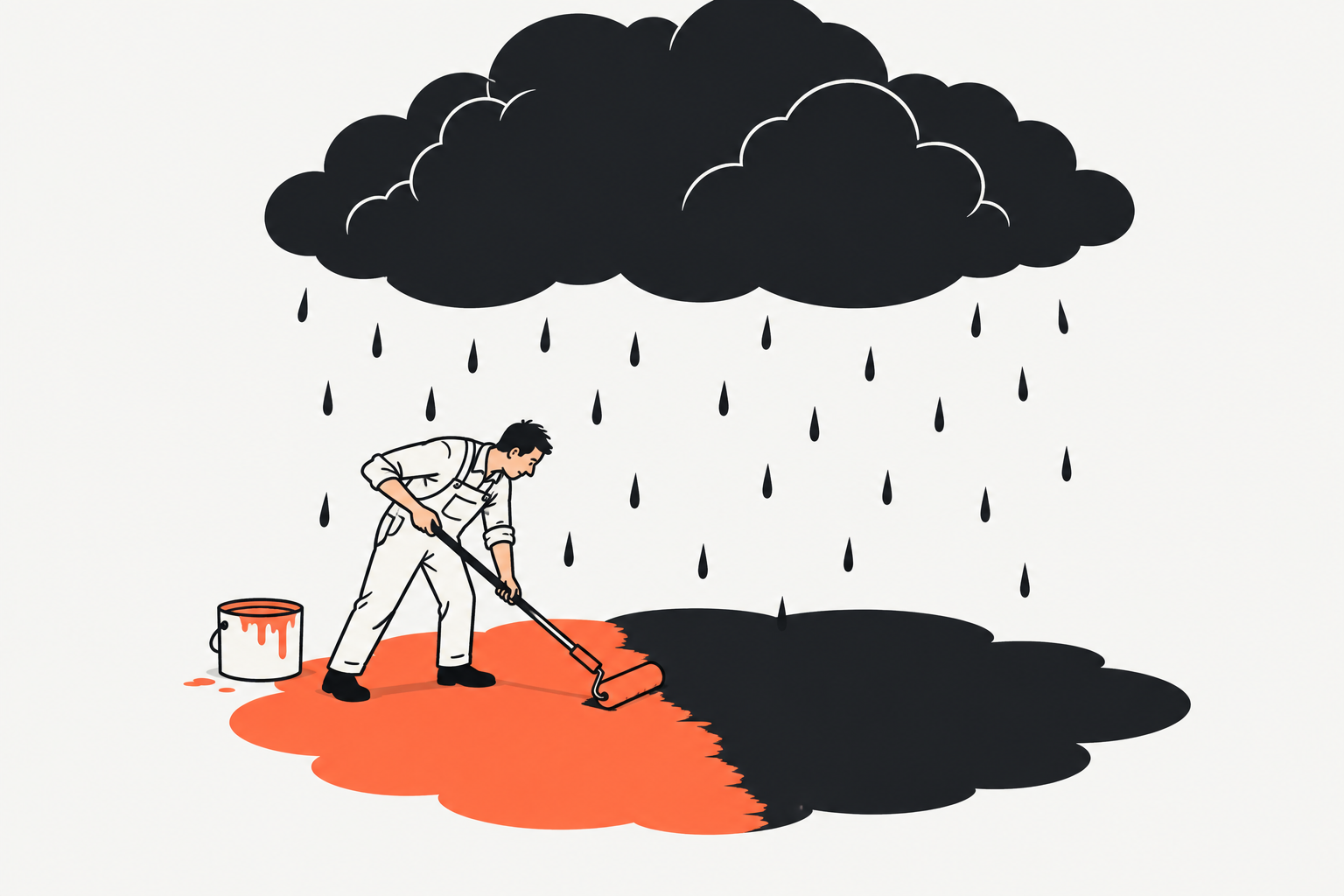
Recently we started working with a new B2C client. Their market share and revenue per customer were declining. Neither was a new development, but the board’s patience was running out. Something had to be done, preferably yesterday.
The reflex was familiar: run more advertising, launch price promotions and roll out a brand campaign reminding customers what the company stands for.
Under intense pressure, an unstated assumption takes hold: as long as we are doing something, something good will surely happen as a consequence. The suggestion that we should take a breath and investigate root causes gained little traction. When the shit hits the fan, the immediate priority is understandably to clean it up. The mistake isn’t acting quickly. It’s mistaking emergency action for a diagnosis.
You can plan the wrong solution perfectly
Before asking how to deliver a solution, it helps to establish what it is supposed to solve. When the problem is unclear, competitors provide a convenient substitute for a brief. A rival launches something, and not reacting feels like negligence. We assume they know something we don’t, so we follow, even if nobody knows what problem their move addresses or whether it works.
Activity is mistaken for progress, and over time, companies start looking more or less the same. This feels reassuring because common practice is easy to defend. Safety in numbers replaces original conviction.
But look around your industry: if you swapped the logos on competitor websites, stores and ads, would anything change for customers?
A discount does not fix an empty shelf
Declining sales tell you that something is wrong. They don’t tell you what to change. Customers may think you are too expensive. Or they may be willing to pay, but consistently unable to find what they came for. Both can produce the same disappointing sales report, but they require different responses.
Understanding customer behaviour doesn’t always require a six-month research programme. Start by looking at what people abandon, what they cannot find and why they stop coming back. Check the sales data against what happens on the shop floor. That may reveal more than another heated meeting about the next campaign.
In our client’s case, a recent logistics overhaul had left some of the best-selling products regularly out of stock. More advertising would have brought more people into the stores to discover that they couldn’t buy what they wanted.
That is why the explanation matters. It changes what you do next, and what you stop spending money on.
Sometimes a promotion is exactly what is needed. Sometimes it buys time while a more fundamental problem is fixed. But “we need a campaign” is a proposed solution, not a diagnosis.
The board is right to want results. That is precisely why “at least we’re doing something” is not a good enough answer.